
In today’s hyperconnected digital environment, misinformation spreads faster than ever. Social media platforms, AI-generated content and algorithm-driven feeds have made it easier for misleading or false information to reach millions within minutes.
The challenge is no longer access to information—it’s determining what is accurate. This is where critical thinking becomes essential.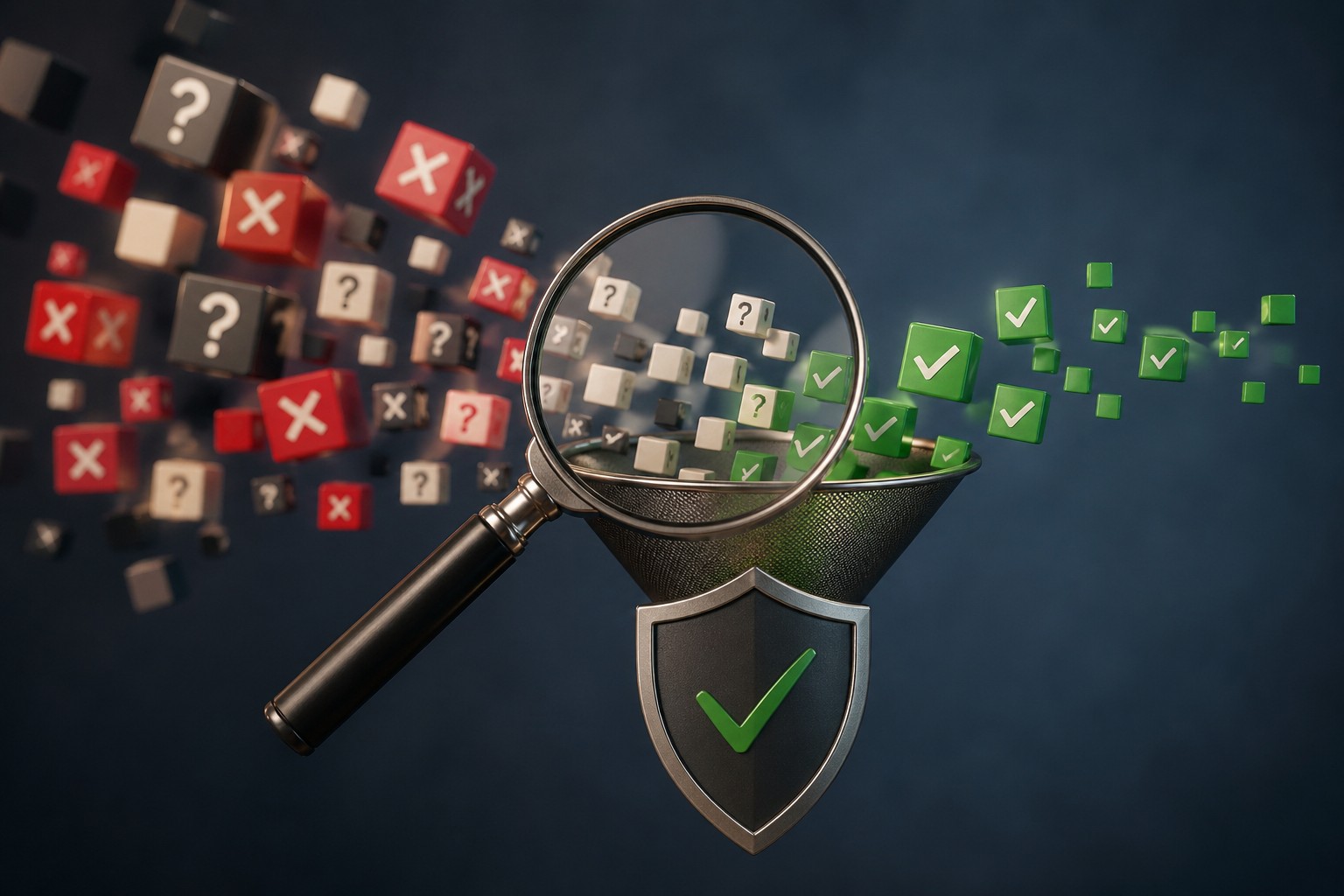
Why Misinformation Is a Growing Threat
Misinformation influences how people think, vote, and behave. It has been linked to public health risks, political polarization, financial frauds and scams. The problem is amplified by the speed of digital sharing and the tendency for emotionally charged content to outperform factual reporting.
False information often spreads because it feels convincing, not because it is accurate. Without critical thinking, people are more likely to accept and share misleading content without verification.
What Is Critical Thinking?
Critical thinking is not just an academic skill; it is a practical defense mechanism. It allows individuals to analyze claims, evaluate evidence, and make informed decisions instead of reacting emotionally or impulsively.
In the fight against misinformation, it functions as a cognitive safeguard.
Critical thinking is the disciplined process of actively analyzing and evaluating information before accepting it as true. It involves questioning assumptions, identifying bias, and relying on evidence rather than opinion.
At its core, critical thinking helps individuals separate fact from interpretation and recognize when information lacks credibility.
How Critical Thinking Protects Against Misinformation
Critical thinking works by interrupting automatic belief and replacing it with analysis. When applied consistently, it reduces the likelihood of falling for false narratives.
- It encourages verification of sources rather than blind trust
- It slows down emotional reactions that misinformation often exploits
- It helps identify flawed logic and misleading arguments
These mechanisms create a mental barrier that filters out unreliable information before it is accepted or shared.
The Role of Cognitive Bias
Human thinking is naturally influenced by cognitive biases, such as confirmation bias—the tendency to favor information that aligns with existing beliefs. Misinformation often targets these biases to gain traction.
Critical thinking counteracts this by forcing individuals to question whether their beliefs are influencing their judgment. Instead of asking “Do I agree with this?”, critical thinkers ask “Is this supported by evidence?”
Many people consume information passively, scrolling and reacting without analysis. This behavior allows misinformation to spread rapidly. Critical thinking shifts this dynamic by turning consumption into evaluation.
Rather than accepting headlines at face value, a critical thinker examines the credibility of the source, the quality of evidence, and the intent behind the message.
Why Critical Thinking Is More Effective Than Fact-Checking Alone
Fact-checking plays an important role, but it is reactive. By the time misinformation is corrected, it may have already influenced opinions.
Critical thinking is proactive. It prevents misinformation from taking hold in the first place by equipping individuals with the tools to evaluate information independently. This reduces reliance on external corrections.
Building Stronger Critical Thinking Skills
Developing critical thinking is an ongoing process that requires awareness and practice. It involves actively questioning information and resisting the urge to accept claims without evidence.
- Question the source and its credibility
- Look for supporting data and multiple perspectives
- Pause before reacting or sharing content
Even these simple habits can significantly reduce susceptibility to misinformation.
The Future of Information Depends on Critical Thinking
As technology continues to evolve, misinformation will become more sophisticated. Deepfakes, AI-generated text, and targeted disinformation campaigns are already reshaping how false information is created and distributed.
In this environment, critical thinking is not optional—it is essential. It empowers individuals to navigate complexity, resist manipulation, and make informed decisions.
Misinformation thrives when people consume information without scrutiny. Critical thinking disrupts this cycle by introducing analysis, skepticism, and evidence-based reasoning into the process.
By strengthening critical thinking skills, individuals can protect themselves and others from the growing influence of misinformation. In a world where information is abundant but not always reliable, the ability to think critically is one of the most valuable skills a person can develop.