
Salt is essential for life. It helps regulate fluids, supports nerve function, and keeps muscles working properly.
But while a small amount of salt is necessary, eating too much can seriously harm your health.
Excess sodium—mostly consumed as salt (sodium chloride)—is linked to several chronic conditions and long-term health risks.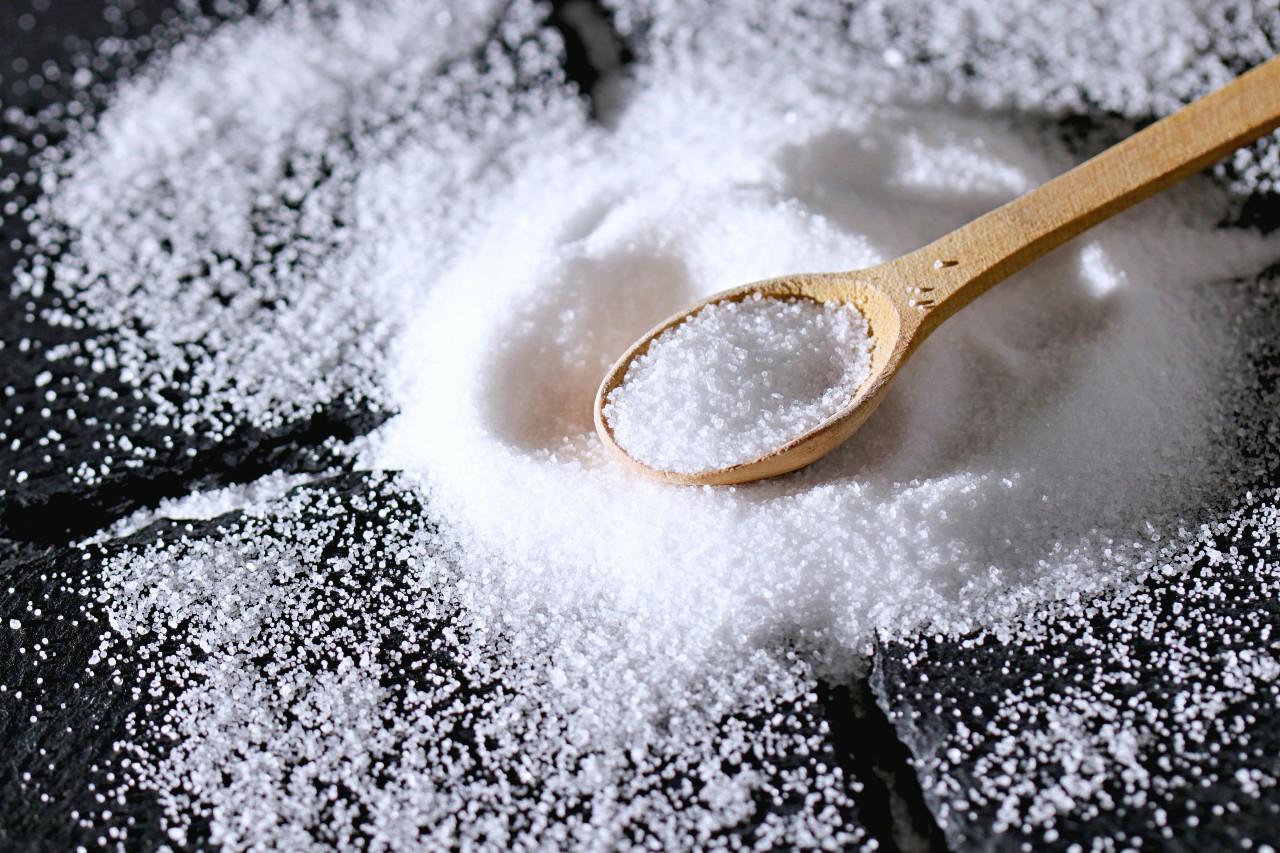
How Much Salt Is Too Much?
According to the World Health Organization, adults should consume less than 5 grams of salt per day (about one teaspoon). However, many people worldwide consume nearly double that amount, often without realizing it.
Most dietary sodium doesn’t come from the salt shaker—it comes from processed foods, restaurant meals, and packaged snacks.
-
-
-
-
-
Increased Risk of Stomach Cancer
-
-
-
-
Research suggests a link between high salt consumption and stomach cancer. Salt may damage the lining of the stomach and increase susceptibility to harmful bacteria such as Helicobacter pylori.
Over time, this irritation can raise the risk of gastric cancer.
-
-
-
-
-
Weak Bones (Osteoporosis)
-
-
-
-
Excess sodium can increase calcium loss through urine. Calcium is vital for strong bones, so losing too much may weaken bone density over time.
This can raise the risk of osteoporosis, particularly in older adults and postmenopausal women.
-
-
-
-
-
Weight Gain and Obesity Risk
-
-
-
-
Although salt itself doesn’t contain calories, high-sodium foods are often processed and calorie-dense. Diets high in salty snacks, fast food, and packaged meals can contribute to weight gain and obesity, increasing the risk of metabolic diseases.
-
-
-
-
-
High Blood Pressure (Hypertension)
-
-
-
-
One of the most well-known side effects of too much salt is high blood pressure.
When you consume excess sodium, your body retains more water to balance it. This extra water increases the volume of blood in your bloodstream, putting added pressure on your blood vessel walls. Over time, this can lead to hypertension, a major risk factor for heart disease and stroke.
-
-
-
-
-
Increased Risk of Heart Disease
-
-
-
-
Chronic high blood pressure caused by excessive salt intake strains your heart and arteries.
This can increase your risk of:
- Heart attacks
- Heart failure
- Hardened arteries (atherosclerosis)
The American Heart Association warns that high sodium intake is a key contributor to cardiovascular disease, one of the leading causes of death worldwide.
-
-
-
-
-
-
Higher Risk of Stroke
-
-
-
-
-
Stroke occurs when blood flow to the brain is blocked or when a blood vessel bursts. Because salt raises blood pressure, it significantly increases stroke risk.
Reducing sodium intake has been shown to lower blood pressure and decrease the likelihood of stroke over time.
-
-
-
-
-
-
-
Kidney Damage
-
-
-
-
-
-
Your kidneys help regulate sodium levels in your body. When you consistently consume too much salt, your kidneys work harder to remove the excess sodium.
Over time, this strain can:
- Reduce kidney function
- Increase the risk of kidney disease
- Cause fluid retention and swelling
In severe cases, long-term high sodium intake may contribute to chronic kidney disease.
-
-
-
-
-
-
Water Retention and Bloating
-
-
-
-
-
Excess sodium causes your body to retain water.
Common symptoms include:
- Swollen hands and feet
- Puffy face
- Temporary weight gain
- Feeling bloated
While this may be temporary, frequent water retention can signal that your sodium intake is too high.
-
-
-
-
-
Increased Thirst and Frequent Urination
-
-
-
-
When you eat salty foods, your body signals thirst to dilute the excess sodium in your bloodstream. This often leads to:
- Drinking more fluids
- More frequent trips to the bathroom
While this is a normal bodily response, consistently high salt intake can disrupt fluid balance.
Signs You May Be Eating Too Much Salt
You may be consuming too much sodium if you experience:
- Frequent bloating
- Persistent thirst
- Elevated blood pressure
- Swelling in hands or feet
- Cravings for salty foods
A simple way to check is by reviewing food labels and tracking daily sodium intake.
How to Reduce Salt Intake
Here are practical tips to lower your sodium consumption:
Choose fresh fruits and vegetables over processed foods
- Read nutrition labels carefully
- Cook more meals at home
- Use herbs and spices instead of salt for flavor
- Limit fast food and packaged snacks
Small changes can make a big difference in protecting your long-term health.
Final Thoughts
Salt is essential—but moderation is key. Eating too much salt can lead to high blood pressure, heart disease, kidney damage, and other serious health problems. By becoming more aware of your sodium intake and making healthier food choices, you can significantly reduce your risk of chronic disease.
If you’re concerned about your sodium levels or blood pressure, consider consulting a healthcare professional for personalized advice.
Taking control of your salt intake today can protect your heart, kidneys, and overall well-being for years to come.