
Managing blood sugar is one of the most important steps for people living with prediabetes or diabetes. What you eat directly impacts how your body regulates glucose, insulin sensitivity, and long-term health outcomes.
While no single food causes or cures diabetes, certain foods can trigger rapid spikes in blood sugar levels, making management more difficult over time.
Understanding which foods may negatively affect your blood sugar—and why—can help you make smarter dietary choices without feeling restricted.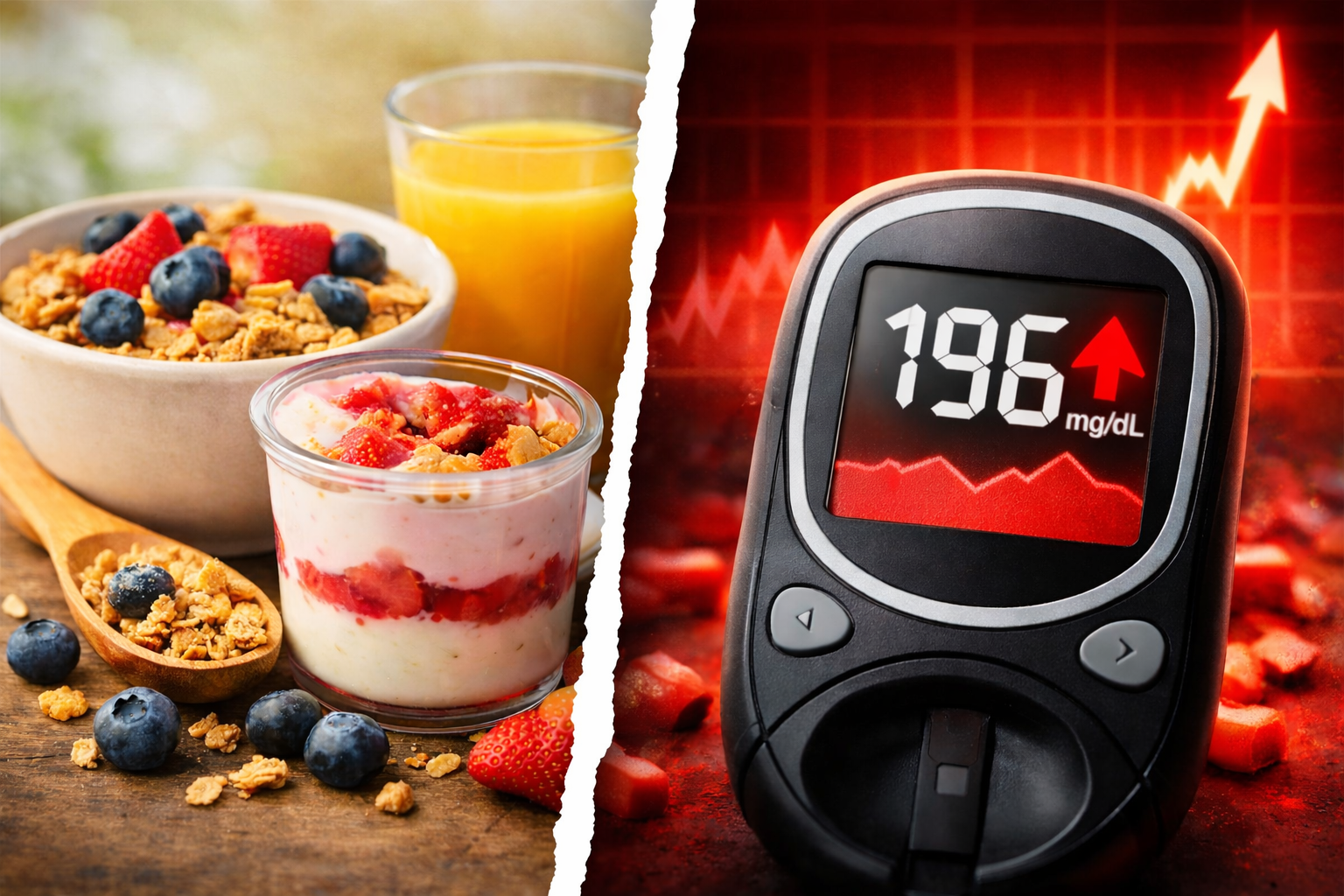
Why Blood Sugar Spikes Matter
When you consume carbohydrates, your body breaks them down into glucose. This glucose enters the bloodstream and signals the release of insulin. In individuals with prediabetes or diabetes, this process is impaired, leading to elevated blood sugar levels.
Frequent spikes can contribute to complications such as nerve damage, cardiovascular issues, and worsening insulin resistance. That’s why controlling not just how much you eat, but what kinds of foods you consume, is critical.
Refined Carbohydrates and Sugary Foods
Highly processed carbohydrates are among the biggest culprits when it comes to blood sugar spikes. These foods are stripped of fiber and nutrients, allowing glucose to enter the bloodstream rapidly.
Common examples include white bread, pastries, sugary cereals, and desserts. Beverages like soda, fruit punches, and sweetened coffees are particularly problematic because liquid sugar is absorbed even faster than solid food.
Even foods that appear “healthy,” such as flavored yogurts or granola bars, can contain high amounts of added sugar.
Reading labels becomes essential for avoiding hidden sources.
Sugary Drinks and Liquid Calories
Drinks with added sugars are especially harmful because they lack fiber and don’t promote fullness. This can lead to overconsumption without satisfying hunger.
Soda, energy drinks, sweet teas, and even some fruit juices can cause rapid spikes. For example, fruit juice often contains as much sugar as soda but lacks the fiber found in whole fruit.
Switching to water, unsweetened tea, or beverages with no added sugar can significantly improve blood sugar control.
Processed and Packaged Foods
Many packaged foods contain refined grains, added sugars, and unhealthy fats. These ingredients can disrupt blood sugar levels and contribute to weight gain, which further worsens insulin resistance.
Snack foods such as chips, crackers, and instant noodles often fall into this category. Even seemingly, savory items like sauces, dressings, and canned soups can contain added sugars.
Minimizing processed foods and focusing on whole, minimally processed ingredients is a powerful strategy for stabilizing glucose levels.
High-Glycemic Index Foods
The glycemic index (GI) measures how quickly a food raises blood sugar. High-GI foods cause rapid spikes, while low-GI foods result in slower, more controlled increases.
Foods like white rice, white potatoes, and certain breakfast cereals tend to have a high GI. Replacing them with lower-GI alternatives such as whole grains, legumes, and non-starchy vegetables can help maintain steadier blood sugar.
Pairing carbohydrates with protein or healthy fats can also reduce the impact on glucose levels.
Fried Foods and Unhealthy Fats
Fried foods don’t just affect heart health—they can also impact blood sugar control. These foods are often high in trans fats or saturated fats, which can increase insulin resistance over time.
Items like fried chicken, French fries, and fast-food meals may not cause immediate spikes like sugar does, but they contribute to long-term metabolic dysfunction.
Choosing healthier cooking methods like baking, grilling, or steaming can make a meaningful difference.
Artificially Sweetened Foods
While artificial sweeteners may seem like a safe alternative to sugar, some research suggests they could still influence insulin response and gut health.
Products labeled “sugar-free” aren’t always harmless. They may contain carbohydrates or sugar alcohols that still affect blood glucose levels.
Moderation and awareness are key, as individual responses to these sweeteners can vary.
Alcohol and Blood Sugar Fluctuations
Alcohol can have unpredictable effects on blood sugar. Some drinks, especially cocktails and sweet wines, contain high amounts of sugar. Others may initially lower blood sugar but lead to delayed spikes later.
Drinking on an empty stomach increases the risk of hypoglycemia (low blood sugar), particularly for those taking insulin or certain medications.
If consumed, alcohol should be limited and paired with food to reduce its impact.
Portion Sizes Still Matter
Even healthy foods can raise blood sugar if eaten in large amounts. Portion control plays a crucial role in maintaining stable glucose levels.
Carbohydrate counting, mindful eating, and balanced meals that include protein, fiber, and healthy fats can help prevent spikes.
Small adjustments, such as using smaller plates or measuring servings, can lead to better long-term control.
Making Smarter Food Choices
Instead of focusing only on restriction, it’s more effective to build a balanced diet that supports steady blood sugar levels. This includes prioritizing whole foods, increasing fiber intake, and choosing lean proteins.
A few practical strategies include:
- Pairing carbs with protein or healthy fats
- Choosing whole grains over refined grains
- Eating non-starchy vegetables regularly
- Staying hydrated with low- or no-sugar beverages
These habits can improve both blood sugar control and overall health.
Living with prediabetes or diabetes doesn’t mean giving up all your favorite foods—it means understanding how different foods affect your body. By identifying foods that may spike blood sugar and making thoughtful substitutions, you can take control of your health.
Consistency is key. Small, sustainable changes in your diet can lead to significant improvements in blood sugar management and long-term well-being.