Maintaining a healthy brain helps in protecting against chronic conditions — such as diabetes, Alzheimer’s, depression, dementia, and mood disorder, to name a few.
It’s the “control center” of the body, along with the spinal cord…making up our central nervous system.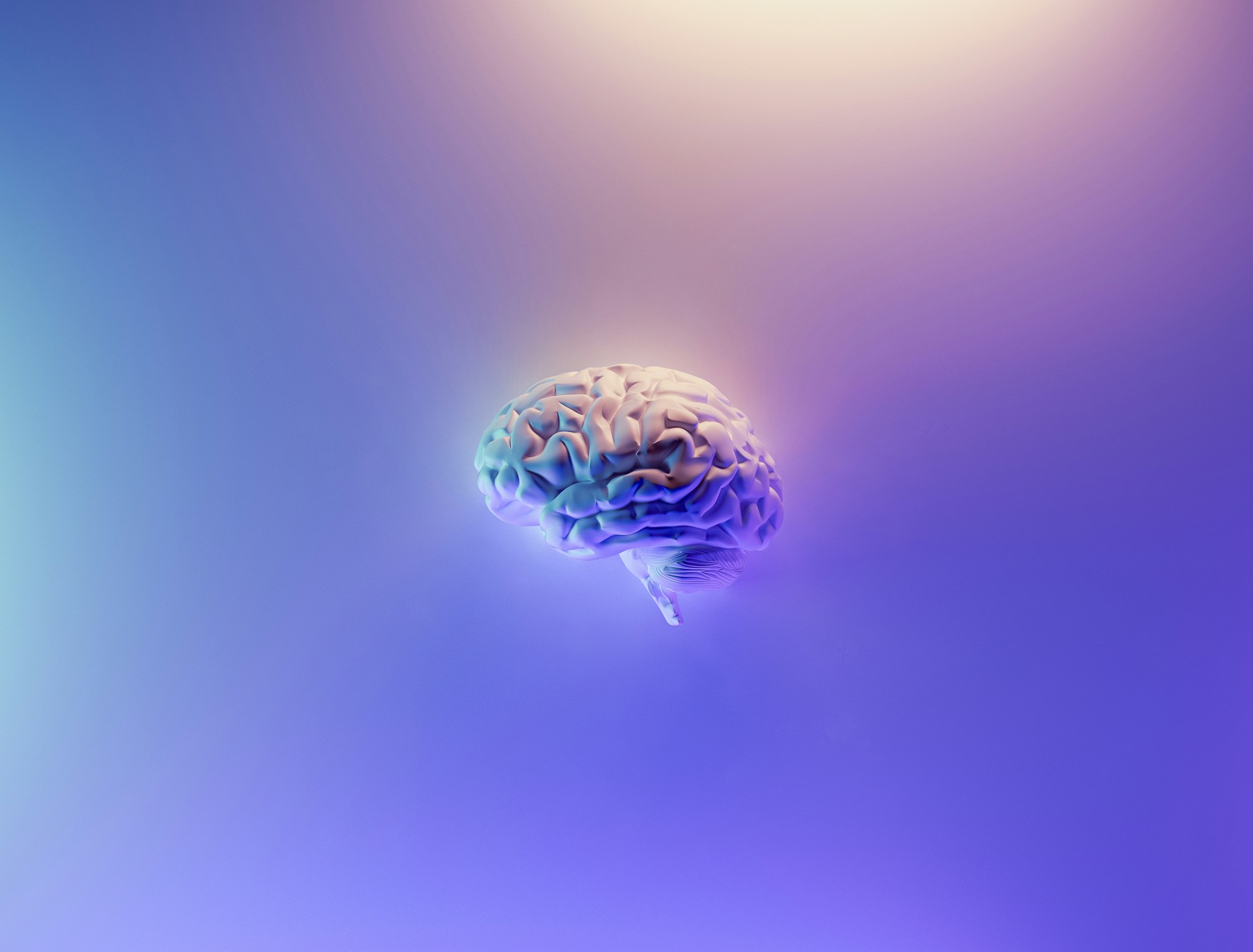
Factors That Affect Our Brains
Our brain’s health affects many areas of our lives. It includes how we feel, think, act…in addition to, how we relate to others.
Facets of our brain health include:
- Emotional function: How well we interpret and respond to emotions — both pleasant and unpleasant.
- Motor function: How well we make and control movements, including balance.
- Tactile function: How well we feel and respond to sensations of touch, including temperature, pain, and pressure.
- Sensory function: How well we taste, hear, see, and detect odors.
- Cognitive health: How well we remember, learn, and think.
Brain health can be affected by age-related changes in the brain, including diseases such as Alzheimer’s and related dementias, mood disorders…including depression, traumatic brain injury or stroke; and substance use disorder, or addiction.
Maintain and Promote a Healthy Brain
Obviously, a healthy brain is important…especially when we get older. To promote and maintain brain health, the National Institute on Aging recommends as follows:
- Stay physically active
- Eat a nutritious and balanced diet. Choose foods high in vitamins, nutrients, and fiber — low in animal fats
- Reduce alcohol consumption
- If you smoke, stop smoking
- Get enough sleep — typically seven to nine hours each night
- Manage chronic conditions — such as high blood pressure, depression and high cholesterol
- Some medication can affect brain function, so discuss medication side effects with your health care provider
- Involve yourself with stimulating activities, like social events or hobbies
- Find treatment for mental health conditions, such as depression
- Treat age-related sensory conditions such as hearing or vision loss
Important Benefits
A study posted in the National Library of Medicine, consisting of almost 3,000 older adults showed that healthy lifestyle factors…including
“…physical activity, not smoking, not drinking heavily, following the Mediterranean-style diet, and engaging in mentally stimulating activities — can have important benefits. People who engaged in four or five of these behaviors had a 60 percent lower risk of developing Alzheimer’s compared to those who only followed one or none. People who followed two or three of the activities had a 37 percent lower risk.”
In another study, older adults with higher levels of physical activity showed slower rates of cognitive decline than those who were less active.
Physical health and the heart can affect brain health, as well. Observational studies conclude that high blood pressure in middle age — in addition to other cerebrovascular risk factors — like diabetes and smoking; increase the risk of developing dementia.
Results from observational studies such as these cannot prove cause and effect. However, they do point out how a combination of changeable behaviors may affect the brain as people age and identify promising possibilities to be tested further.
Choose the Right Food
According to numerous studies, what we eat affects the brain’s ability to remember and think. In addition, researchers studied how our diets affect our brains.
Research has determined that the characteristic Western diet increases the risk of heart disease. What is more, this kind of diet possibly contributes to the brain aging faster. Most notably, exercise and physical activity interacts with our diet, our cardiovascular health — and our brain health, as well.
An assortment of foods from each food group is beneficial to the health of our bodies and the health of our brains. Likewise, the right food will also reduce the risk of developing diseases — like heart disease, high blood pressure, and diabetes.
Above all, choose foods with small, to no sodium, saturated fats, and sugar. Meals that include fortified soy products, dairy, seafood — along with beans, peas, and lentils will help maintain your muscle…in addition to helping you to get enough protein throughout the day.
Also, add chopped or sliced fruits and vegetables to snacks and meals. And, if you find it difficult to slice and chop, look for pre-cut varieties.
Foods fortified with vitamin B12, are to your advantage.
Decrease the amount of salt you consume. Instead, season your choice of food with herbs. Avoid sugary drinks, and avoid dehydration by drinking plenty of water.
Disquieting Revelations
One of the best experts of the link between nutrition and the brain, professor Felice Jacka from the University of Melbourne did research on the effects of nutrition of brain function. She examined the behavior of babies after tracking the eating habits of 23,000 expecting women.
Felice briefly explained,
“We measured their intake of junk and processed foods. We measured their intake of healthful…foods with lots of fiber and nutrients. And then we looked at the emotional health of their children over the first few years of life…from 18 months to five years. Of course, taking into account things such as education, income, the mother’s mental health, and parenting practices. And what we saw very clearly was that mothers who ate more junk and processed foods — like sweet drinks and salty snacks, and cakes, and biscuits during their pregnancy — their children had more of these behaviors, such as aggression, and anger, and tantrums.”
Children who ate junk, sugary, and processed food, and/or not enough of healthful foods had more aggressive and anger type behaviors. in addition the children felt sadness, depression, anxiety, worry, and experienced nightmares.
There is a link between dietary quality and mood problems in children. Professor Jacka’s conclusions have been confirmed by studies in Canada, the Netherlands, and Spain.
Omega-3 is Indispensable
Brain matter is made up of 90 percent fat. It’s rich in polyunsaturated fatty acid — or omega-3. Without omega-3 to build our brains, our brains do not function normally. Our bodies cannot make omega-3…we have to ingest it. Therefore, omega-3 has to come from the diet.
Oily fish, organ meat, vegetable oils, and seeds and nuts, have been sources of omega-3 for humans. However, these foods have become scarce in the traditional food of industrialized countries.
With a diet lacking omesga-3, our brain neurons don’t work properly. They don’t connect with other neurons. In essences, because the structure of the cells is changed, they have trouble communicating with each other.
On the other hand, the omega-3 we consume will enter the brain and attach in the membranes of neurons. This gives flexibility to the membrane of neurons. It also allows better connection between them. When these fatty acids are blended into the membranes, they improve their electrical properties.
In an omega-3 enriched neuron, the signal broadcasts faster and the network is more efficient. As a result, the amount of omega-3 that enters the brain is crucial for making the brain cells more efficient.
Reverse Damaging Eating Habits
Poor and improper eating habits are responsible for gaining weight. Overwhelmed with sweets and fatty foods for decades…our bodies have not been handling these damaging eating habits very well.
Nevertheless, scientists are finding out these unhealthy habits are responsible for shrinking our brains. Furthermore, health eating has an effect on our mood and behavior.
Scientists have found habitual diets high in fats and sugar lead to the changes in the brain that affect our memory. It also results in reprogramming of our brains.
Brain health involves a healthy diet. An variety of plant food consisting of different leafy vegetables, colored vegetables, and fruit is essential for good brain health.
Additionally, legumes, lentils, beans, chickpeas are very important to include in a healthy diet for our brains. In addition, nuts, seeds, fish, and olive oil…are a very important component of a healthy diet. Through extensive research and studies, scientists have found that depressions subsided when people consumed this type of diet.
Furthermore, spices, red foods and berries contain polyphonols, which help reinvigorate declining brain neurons.
Scientifically proven, the best way to preserve our mental state and well-being is to eat a diversified, balanced diet. Focus on healthy eating by making vegetables, omega-3, and fruit an essential part of your diet.
At best, avoid consuming processed foods, saturated fats, and sugar.
Feed your brain — and your body — by eating well!
