
Over the past few years, GLP-1 receptor agonists have gone from niche diabetes treatments to mainstream weight-loss solutions. Medications like Ozempic, Wegovy, and Mounjaro are now household names, promoted across social media, celebrity culture, and even casual conversations.
Their appeal is obvious: significant weight loss, appetite suppression, and improved blood sugar control—often without the struggle associated with traditional dieting.
However, beneath the hype lies a more complex reality.
While GLP-1 drugs can be highly effective, they also come with a growing list of side effects, safety concerns, and unanswered questions about long-term use.
For some individuals, the risks may outweigh the benefits—especially when used for non-medical weight loss.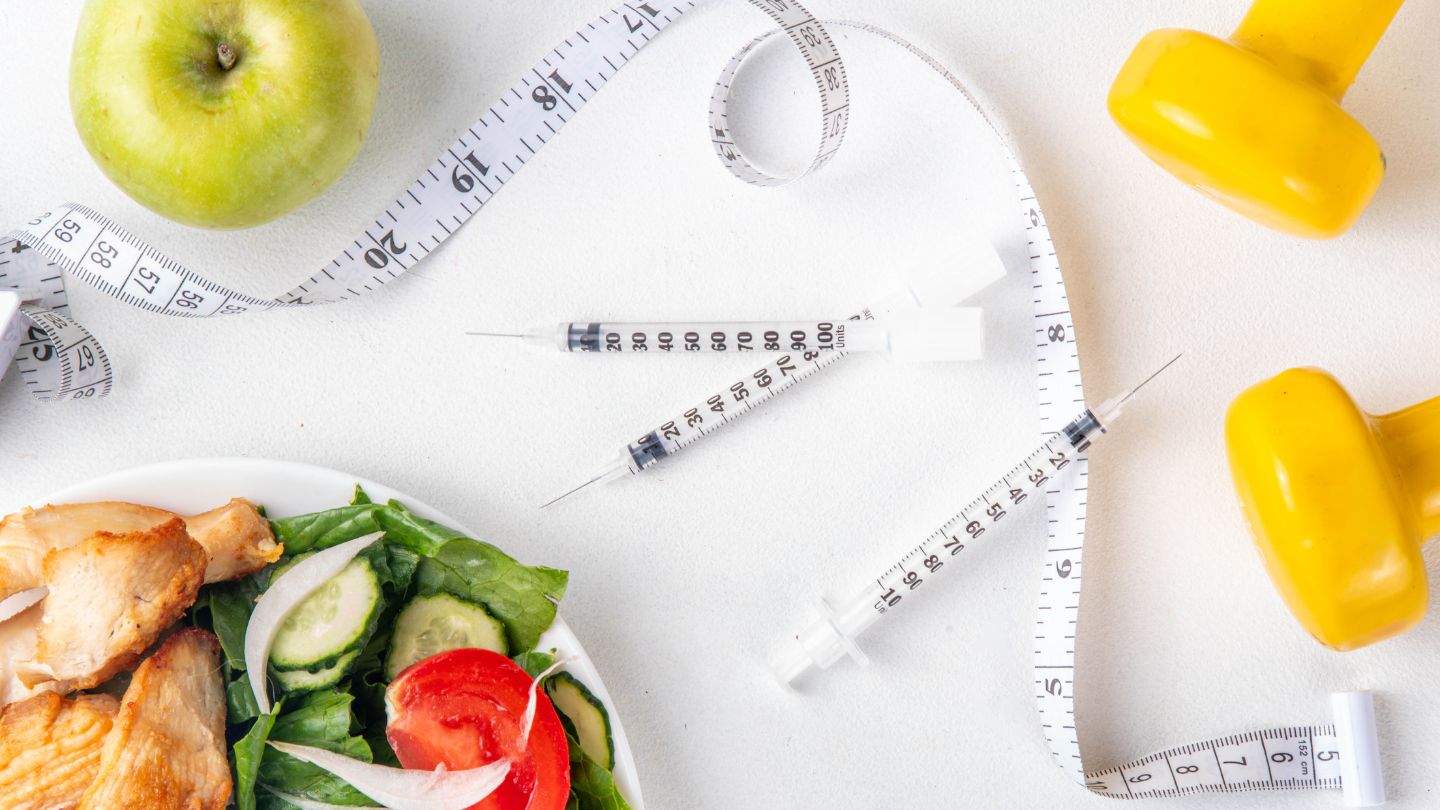
What Are GLP-1 Drugs and How Do They Work?
GLP-1 (glucagon-like peptide-1) receptor agonists mimic a hormone naturally produced in the gut. This hormone plays a critical role in:
- Regulating blood sugar levels
- Stimulating insulin release
- Slowing gastric emptying
- Reducing appetite
Medications like Ozempic and Wegovy contain semaglutide, while Mounjaro targets both GLP-1 and GIP receptors, enhancing its effects.
By slowing digestion and increasing feelings of fullness, these drugs help users eat less—often dramatically less.
Why GLP-1 Drugs Became So Popular
Several factors have driven the explosion in GLP-1 use:
- Clinically significant weight loss (10–20 percent body weight in some cases)
- Convenience (weekly injections)
- Strong marketing and media coverage
- Off-label prescribing for weight loss
However, popularity does not equal safety for everyone—and rapid adoption often outpaces long-term research.
Common Side Effects: What Most Users Experience
Gastrointestinal Issues
The most frequently reported side effects involve the digestive system:
- Nausea
- Vomiting
- Diarrhea
- Constipation
- Abdominal pain
These symptoms stem from delayed gastric emptying. While some users adapt over time, others experience persistent discomfort that affects daily life.
Fatigue and Weakness
Reduced calorie intake can lead to:
- Low energy levels
- Dizziness
- Weakness
This is especially common when users unintentionally under-eat.
Appetite Suppression and Nutritional Deficits
GLP-1 drugs can suppress appetite so effectively that users may:
- Skip meals
- Consume insufficient protein
- Develop micronutrient deficiencies
Over time, this can result in muscle loss and metabolic slowdown.
Serious Health Risks Linked to GLP-1 Drugs
Pancreatitis: A Potentially Dangerous Complication
Pancreatitis—an inflammation of the pancreas—has been reported in some users.
Symptoms include:
- Severe abdominal pain radiating to the back
- Nausea and vomiting
- Fever
Although rare, pancreatitis can be life-threatening and requires immediate medical attention.
Gallbladder Disease
Rapid weight loss increases the risk of gallstones and gallbladder inflammation.
Users of Wegovy and similar drugs may face:
- Gallstones
- Cholecystitis
- Surgical removal of the gallbladder
Gastroparesis (Stomach Paralysis)
One of the most concerning emerging risks is gastroparesis—a condition where the stomach empties too slowly or not at all.
Symptoms include:
- Chronic nausea
- Vomiting undigested food
- Bloating
- Severe discomfort
In some cases, gastroparesis may persist even after discontinuing the medication.
Intestinal Obstruction
There have been reports suggesting a possible link between GLP-1 drugs and bowel obstruction, a serious condition requiring urgent care.
Thyroid Tumor Risk
Animal studies have shown an increased risk of thyroid tumors with GLP-1 drugs. As a result, medications like Ozempic carry warnings for individuals with:
- Family history of thyroid cancer
- Multiple endocrine neoplasia syndrome
Human data remains limited, but caution is advised.
Psychological and Neurological Effects
Mood Changes and Depression
Some users report:
- Anxiety
- Depression
- Emotional numbness
While causation is still being studied, appetite-regulating hormones also interact with brain pathways affecting mood.
Altered Relationship with Food
GLP-1 drugs may fundamentally change how individuals relate to eating:
- Reduced pleasure from food
- Fear of eating due to nausea
- Disrupted hunger cues
For some, this can trigger or worsen disordered eating patterns.
The Muscle Loss Problem: An Overlooked Danger
Rapid weight loss is not always healthy weight loss.
Studies suggest that a significant portion of weight lost on GLP-1 drugs may come from lean muscle mass—not just fat.
This can lead to:
- Reduced strength
- Slower metabolism
- Increased risk of weight regain
Without resistance training and adequate protein intake, muscle loss becomes a serious concern.
Long-Term Risks: The Unknown Factor
One of the biggest concerns surrounding GLP-1 drugs is the lack of long-term data for weight loss use.
Key unanswered questions include:
- What happens with decades of use?
- Are there cumulative organ effects?
- Does prolonged appetite suppression affect metabolism permanently?
Because these drugs are relatively new in widespread use, definitive answers are still years away.
Dependency and the “Forever Drug” Debate
GLP-1 drugs do not cure obesity—they manage it.
Once the medication is stopped, many users experience:
- Return of appetite
- Slowed metabolism
- Rapid weight regain
This raises the possibility that long-term or even lifelong use may be necessary to maintain results.
Weight Regain after Stopping GLP-1 Drugs
Research and clinical experience show a consistent pattern:
- Significant weight loss during use
- Gradual or rapid regain after stopping
This can create a frustrating cycle:
- Start medication
- Lose weight
- Stop medication
- Regain weight
- Restart medication
Over time, this cycle may negatively affect metabolic health.
Who Should Avoid GLP-1 Drugs?
GLP-1 medications may not be suitable for:
- Individuals with a history of pancreatitis
- Those with thyroid cancer risk
- People with severe gastrointestinal disorders
- Pregnant or breastfeeding women
A thorough medical evaluation is essential before starting treatment.
Is GLP-1 Drugs Safe for Non-Diabetics?
This is one of the most debated questions today.
While drugs like Wegovy are FDA-approved for weight loss, many experts caution against widespread use in otherwise healthy individuals seeking cosmetic changes.
The risk-benefit balance becomes less favorable when the primary goal is appearance rather than medical necessity.
Comparing GLP-1 Drugs: Are Some Safer Than Others?
Ozempic
- Primarily for type 2 diabetes
- Common off-label use for weight loss
Wegovy
- Higher-dose semaglutide
- Approved specifically for obesity
Mounjaro
- Dual-action (GLP-1 + GIP)
- Potentially more powerful—and possibly more side effects
Each medication has a similar risk profile, though potency and side effects may vary.
Safer Alternatives to GLP-1 Drugs
Before turning to medications, consider evidence-based alternatives:
Nutrition Optimization
Balanced diets rich in protein, fiber, and whole foods can naturally regulate appetite.
Strength Training
Preserves muscle mass and improves metabolic health.
Behavioral Therapy
Addresses emotional and psychological aspects of eating.
Sleep and Stress Management
Hormones controlling hunger are heavily influenced by sleep and stress levels.
These approaches may not deliver rapid results—but they carry fewer risks and offer long-term sustainability.
Expert Perspective: Weighing Risks vs. Benefits
For individuals with:
- Type 2 diabetes
- Severe obesity
- Obesity-related complications
GLP-1 drugs can be life-changing and even life-saving.
However, for those seeking quick weight loss without underlying medical need, the risks—both known and unknown—deserve serious consideration.
Final Thoughts: A Powerful Tool—Not a Magic Solution
GLP-1 drugs represent a major advancement in metabolic medicine. Nevertheless, like any powerful tool, they come with trade-offs.
They are not risk-free. They are not a cure. Moreover, they are not the right choice for everyone.
Understanding the potential dangers—from gastrointestinal distress to long-term unknowns—can help you make a smarter, safer decision.
In the end, sustainable health still depends on fundamentals:
- Balanced nutrition
- Physical activity
- Consistent habits
Medications can support these efforts—but they should never replace them.